

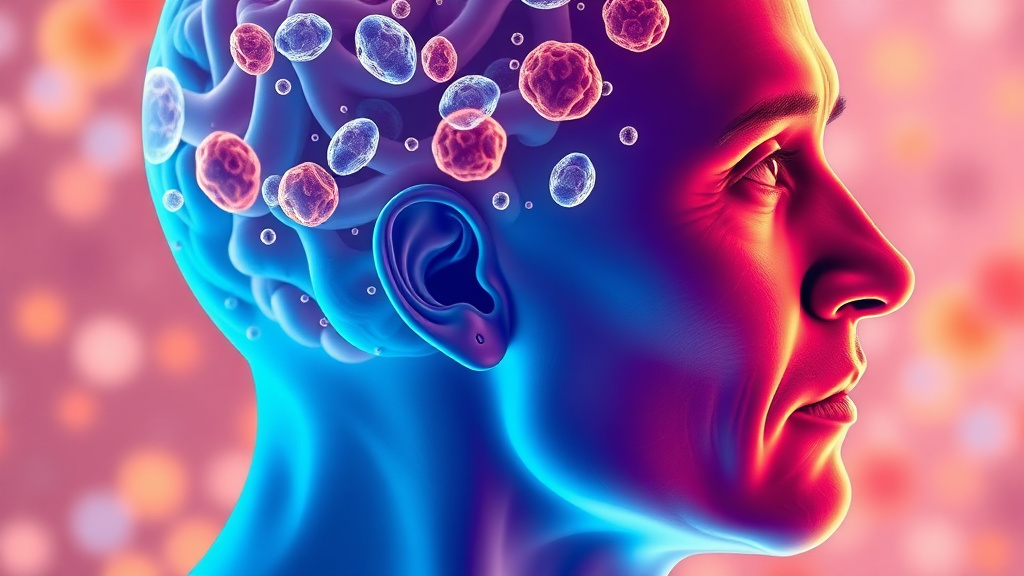
In a pioneering breakthrough that could transform medicine, scientists have introduced an novel technique able to slowing aging at the cellular level. This significant discovery offers unprecedented hope for extending human lifespan and combating age-related diseases. By focusing on the biological pathways driving cellular deterioration, researchers have proven the ability to revive youthful function to aged cells. This article discusses the advanced methodology behind this revolutionary finding, its potential applications, and what it means for the progress of aging research.
Major Discovery in Cell-Level Renewal
Researchers have discovered a innovative strategy that significantly changes how cells age at the genetic level. This finding highlights manipulating specific cellular pathways that control cellular senescence, the mechanism by which cells become unable to divide and operate normally. By targeting these pathways with accuracy, scientists have achieved substantial success in enhancing cellular function. The discovery reflects decades of rigorous investigation and opens unprecedented possibilities for therapeutic approaches in aging-related diseases.
The experimental methodology involves introducing specialized compounds that restore inactive cell repair processes. These compounds work by enhancing mitochondrial activity and strengthening DNA restoration pathways, two essential elements in cellular aging. Research findings have shown that treated cells exhibit properties resembling much younger cells, including better metabolic performance and increased lifespan. The results have been reliably repeatable across various cell varieties, suggesting extensive relevance for upcoming treatment advancement and clinical implementation.
This breakthrough carries major implications for tissue regeneration and aging research. Scientists believe the technique could ultimately treat numerous age-related disorders such as heart disease, neural decline, and metabolic dysfunction. The capacity to reverse cellular aging at its root offers a substantially different approach compared to traditional treatments that merely manage symptoms. As researchers continue refining this approach, the potential for extending healthy lifespan transitions from theoretical possibility toward tangible reality.
How the Latest Approach Works
The revolutionary technique applies a sophisticated approach to cellular transformation, using specialized molecular factors that can reverse the aging clock within human cells. Researchers found that by applying targeted proteins, they could activate dormant genes involved in cellular restoration. This pioneering method represents a departure from conventional anti-aging methods, offering a straightforward path to restoring cellular vitality and function in previously aged tissue samples.
The Molecular Mechanisms of the Process
At the heart of this approach lies a fundamental principle: cellular aging occurs through the buildup of epigenetic changes that silence genes critical for youthful function. Scientists pinpointed key molecular mechanisms that, when activated, can counteract these destructive alterations. By carefully manipulating these switches through targeted protein interventions, researchers managed to restore markers of cellular youth. The process effectively resets the cell’s aging clock, eliminating decades of amassed molecular damage in experimental environments.
The discovery expands on years of studies on cell aging and epigenetic regulation. Scientists discovered that adding four specific reprogramming elements could carefully direct older cells back to younger states without triggering damaging genetic changes. This controlled reprogramming process works by restoring activity to telomerase enzymes and reestablishing mitochondrial activity. The technique shows striking precision, enabling researchers to undo signs of aging while keeping intact cell integrity and preventing undesired changes.
- Epigenetic modification reverses aging indicators successfully
- Telomerase activation reinforces telomere integrity
- Mitochondrial function improves ATP generation
- Gene expression patterns return to youthful configurations
- Cellular senescence markers decline substantially
Impact on Future Medicine
This groundbreaking discovery presents revolutionary potential for the medical field, positioned to revolutionize how we approach age-linked disorders and persistent ailments. If effectively applied into clinical applications, this cellular rejuvenation technique could allow doctors to treat formerly untreatable degenerative diseases such as Alzheimer’s, Parkinson’s, and heart disease. The ability to reverse cellular aging may substantially alter clinical practice from treating symptoms to targeting the root causes of aging-linked diseases, conceivably prolonging healthy human lifespan significantly.
Beyond managing disease, this advancement opens new possibilities for preventive medicine and personalized healthcare. Patients could receive specialized cell renewal treatments tailored to their individual aging characteristics and DNA makeup. Pharmaceutical companies are already committing significant resources in creating medications based on these findings, with several candidates progressing to human testing within the next five years. As research advances, this technology may become a foundation of contemporary healthcare, offering hope to millions seeking to maintain vitality and quality of life throughout their extended lifespans.
