

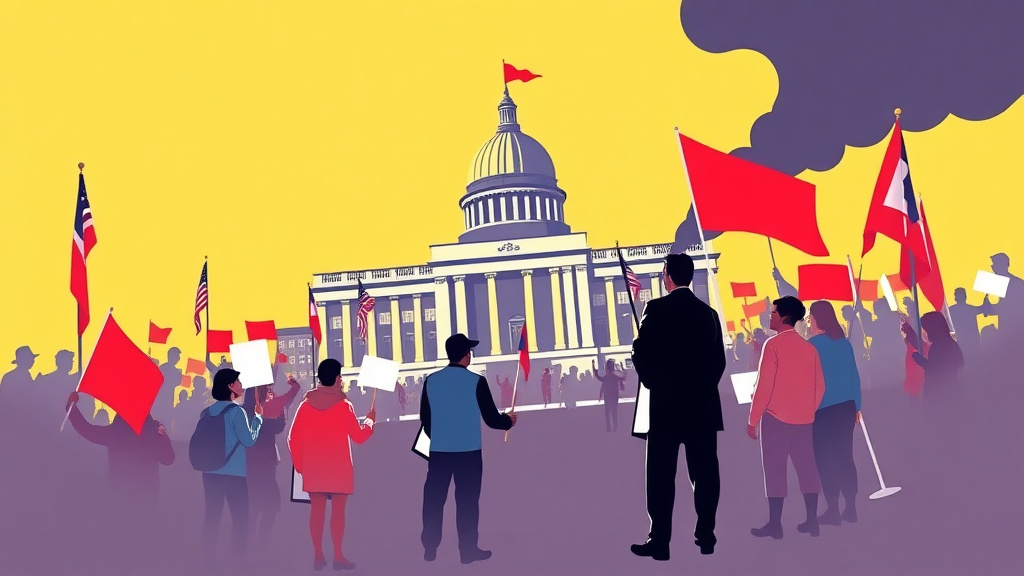
Parliament faces mounting pressure as legislators debate a contentious immigration bill that has sparked intense public discussion. Proponents argue the legislation strengthens security measures and border control, while opponents warn it unfairly targets vulnerable populations and violates basic freedoms. The measure has triggered widespread protests outside parliament buildings and divided public opinion significantly. This article examines the bill’s key provisions, the security issues driving support, the vocal opposition mobilizing against it, and what enactment could mean for the nation’s immigration landscape.
Bill Overview and Main Requirements
Parliament’s disputed immigration bill constitutes a thorough restructuring of the nation’s immigration framework, implementing extensive modifications aimed at tighten entry requirements and enhance security protocols. The legislation includes multiple interconnected measures focusing on border control, visa applications, and enforcement systems. Supporters argue these provisions are vital safeguards against potential threats, while opponents contend they establish excessive bureaucratic hurdles and discriminate against qualified applicants wanting to enter the country.
The bill’s designers emphasize its equilibrium strategy, claiming it preserves moral responsibilities while emphasizing domestic priorities. Key provisions address boundary systems, tech integration, and workforce demands at immigration facilities. The legislation also establishes updated penalty systems for breaches and develops additional oversight mechanisms. However, human rights groups have expressed substantial reservations about implementation costs, possible slowdowns in processing legitimate applications, and the bill’s broader implications for vulnerable migrant populations pursuing safety and financial prospects.
Enhanced Border Security
The bill proposes substantial investments in frontier security facilities, including advanced surveillance technology, fingerprint and facial recognition systems, and enlarged processing centers. These upgrades aim to enhance identification accuracy and expedite management of international transit. Proponents maintain that modernized border infrastructure decreases potential threats and supports rapid lawful movement. The legislation directs money for expanding border staff and implementing training programs dedicated to recognizing dangerous situations and overseeing busy transit periods successfully.
Critics challenge the efficiency and value proposition of these upgraded safeguards, maintaining that substantial capital expenditures may not proportionally improve security outcomes. Concerns center on risk of biased implementation, disproportionate impacts on certain nationalities, and the environmental impact of expanded physical barriers. Human rights advocates express concern that intensified vetting procedures could enable profiling based on ethnicity, religion, or national origin, thereby violating international human rights standards and creating chilling effects on legitimate migration flows.
Visa Processing Updates
The legislation substantially overhauls visa application processes, introducing tiered application systems based on job-related qualifications, educational background, and economic contributions. New provisions require applicants to provide evidence of financial resources, secure employment offers, or substantial investment funds before clearance. Application processing times are expected to extend significantly as immigration officials conduct enhanced background checks and compliance checks. The bill also increases visa application fees considerably, potentially limiting access for lower-income applicants while generating additional government revenue for immigration compliance efforts.
Opposition groups contend that stricter visa requirements disproportionately affect developing nations and economically disadvantaged populations while advantaging wealthy applicants. Extended processing times could interfere with family reunification, delay urgent humanitarian cases, and harm businesses that need international talent recruitment. Labor organizations warn that employment visa limitations may disadvantage workers competing for jobs while reducing employers’ access to technical expertise. Critics also raise concerns about transparency in decision-making processes and few avenues for appeal for rejected applications under the new framework.
Public Welfare Arguments and Objections
The Government’s Public Protection Justification
Proponents of the immigration bill emphasize national security as their chief focus. They argue that tighter border controls and improved screening processes are crucial to stop security risks from crossing into the nation. Federal representatives point to empirical evidence on border incidents to justify the proposed law. Supporters argue that thorough background screenings and biometric identification will significantly reduce potential dangers. They assert that strict border enforcement safeguards the population while preserving security at border crossings.
The bill’s proponents cite recent events affecting undocumented immigrants to strengthen their case. They stress that present immigration systems have gaps that undermine public safety. Supporters contend that the suggested policies will allow law enforcement to locate and apprehend individuals with prior convictions more effectively. They stress that stronger border protocols serve both citizens and law-abiding immigrants. Government representatives claim the legislation constitutes a balanced approach to security without entirely stopping immigration processes.
Opponents’ Concerns and Criticisms
Detractors of the bill raise serious concerns concerning its implementation and potential consequences. Human rights organizations contend that the legislation unfairly targets vulnerable asylum seekers and refugee populations. Opponents dispute whether the security benefits justify the limitations imposed on visa seekers. They argue that the bill is based on stereotypes rather than empirical safety protocols. Constitutional scholars warn that certain provisions could breach fundamental rights and worldwide humanitarian agreements.
Opposition groups mobilize against what they consider to be unfair treatment contained within the bill’s framework. Protesters maintain that stricter review targets particular national origins and religious affiliations unjustly. Critics point out that most foreign-born residents contribute positively to society and present minimal security concerns. They underscore the bill’s capacity to tear families apart and delay lawful immigration proceedings indefinitely. Activists assert that different strategies could address security concerns without compromising moral commitments.
Public Uprising and Community Reaction
The immigration bill has sparked an remarkable tide of mass protests throughout major urban centers. Tens of thousands of people have gathered outside Parliament, displaying banners and voicing calls opposing the legislation. Rights advocacy organizations, pro-immigration organizations, and engaged community members have come together in synchronized protests, arguing that the bill unfairly impacts at-risk groups and erodes essential civil liberties. The movement has achieved considerable traction on digital networks, with hashtags circulating worldwide and garnering millions of interactions within weeks.
Conversely, proponents of the legislation have launched demonstrations highlighting safety concerns and border control issues. These counter-protests reveal the significant social rifts surrounding immigration legislation. Public surveys indicate the nation continues to be split, with comparable percentages for and against the proposed law. Public response transcends public demonstrations, featuring petition drives, town hall meetings, and extensive media coverage, reflecting the legislation’s significant effects on public conversation and the pressing requirement for productive conversation.
Impact on Political Landscape
The controversy has substantially shaped parliamentary dynamics, compelling elected officials to take definitive stances on immigration reform. Many lawmakers have faced constituent backlash for their positions, while others have earned backing from aligned voters. The bill has become a central election issue, influencing campaign messaging and swaying public opinion. Political parties are deliberately aligning to leverage voter sentiment, understanding that immigration policy will substantially impact upcoming electoral outcomes and sustained political reputation.
Media coverage has increased the debate’s prominence, with news outlets widely documenting demonstrations, legislative discussions, and shifts in public sentiment. International attention has also grown, with foreign governments and international human rights organizations responding to the bill’s consequences. This greater examination has pressured Parliament to closely assess enduring impacts and international views. The debate shows how immigration policy goes beyond domestic politics, affecting international relations and national reputation on the world stage.
