

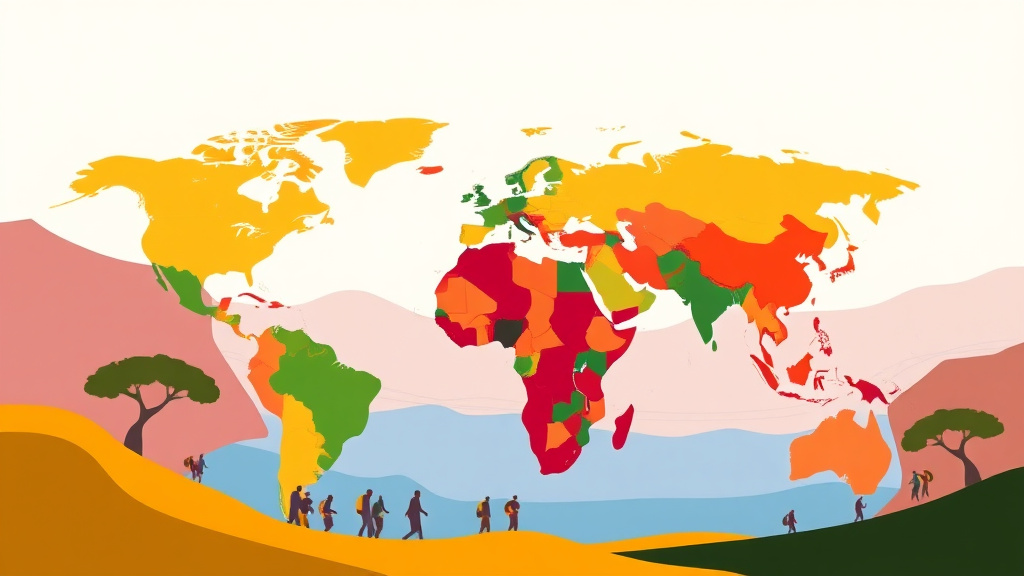
Sub-Saharan Africa faces an critical humanitarian emergency that demands immediate global action. Millions struggle with acute hunger, disease outbreaks, and displacement driven by conflict and climate change. This article analyzes the multifaceted crisis threatening vulnerable populations across the region, investigates its root causes, and investigates why international intervention is critical. We review existing humanitarian programs, pinpoint major shortfalls in relief distribution, and offer compelling evidence that without coordinated global response, the situation will worsen significantly, producing permanent damage for years ahead.
The Magnitude of the Crisis
Sub-Saharan Africa confronts an severe humanitarian crisis impacting over 280 million people in the area. Severe food shortages impacts approximately 149 million individuals, while 6.3 million experience forced migration due to continuous conflict and natural disasters. Infectious disease cases, including cholera and measles, propagate quickly through densely packed displacement camps and neglected populations. The intersection of these critical problems produces a cascading emergency, overwhelming already fragile healthcare systems and exacerbating existing vulnerabilities among the continent’s most disadvantaged groups.
Economic collapse and resource scarcity compound the humanitarian impact, forcing families to make impossible decisions between purchasing food and accessing medical care. Climate-induced water shortages have severely damaged agricultural output, particularly in the Horn of Africa and Sahel regions, causing mass migration and deepening poverty. Children experience severe malnutrition rates exceeding critical thresholds, with lasting developmental consequences. Without immediate intervention and sustained international assistance, mortality rates will increase significantly, potentially creating a generational crisis with profound economic and social impacts across Sub-Saharan Africa and beyond.
Root Causes and Contributing Elements
Structural and Systemic Issues
The humanitarian challenge in Sub-Saharan African region stems from firmly established structural problems that have accumulated over many years. Poor governance, corruption, and limited institutional capacity weaken development initiatives and hinder effective resource allocation. Additionally, extended colonial history, limited infrastructure, and constrained access to schooling maintain cycles of poverty. income inequality, combined with limited investment in healthcare and sanitation systems, creates conditions in which sickness spreads at a fast pace and people remain susceptible to crises.
Environmental and Climate Pressures
Climate change functions as a severe multiplier, amplifying existing vulnerabilities across the Sub-Saharan African region. Extended periods of drought devastate agricultural productivity, forcing pastoralists to forsake traditional livelihoods and move toward urban centers already overwhelmed by poverty. Erratic rainfall patterns damage crops, causing widespread food insecurity and malnutrition. Simultaneously, environmental damage and floods displace communities and pollute water sources, facilitating disease transmission. These climate-induced crises disproportionately affect rural populations dependent on agriculture, exacerbating regional instability and humanitarian emergencies.
Worldwide Reaction and Approaches
The critical emergency in the Sub-Saharan region necessitates unified global action that cross boundaries and geopolitical divisions. International actors, encompassing governments, NGOs, and international bodies, must unite to address the multifaceted issues threatening millions of lives. Effective solutions require substantial financial investment, strategic planning, and dedication from wealthy countries to support affected regions through both emergency relief and long-term development initiatives that build resilience.
Long-term progress requires tackling underlying factors while concurrently delivering immediate aid and support. International cooperation must prioritize strengthening medical infrastructure, enhancing nutrition access infrastructure, and supporting peace-building initiatives. By integrating immediate intervention with comprehensive growth plans, the world at large can reduce distress, prevent continued decline, and establish routes to security and wellbeing for disadvantaged groups across Sub-Saharan Africa.
International Aid Initiatives
Multiple international organizations have directed assistance to tackle the global crisis, yet their efforts prove inadequate given the scale of need. The United Nations, World Health Organization, and World Food Programme oversee emergency operations, providing medical supplies, food assistance, and humanitarian protection. However, financial shortfalls continue, restricting operational scope and geographic reach. Enhanced international cooperation and increased financial commitments from wealthy nations are essential to scale these initiatives effectively and reach remote populations currently neglected by existing aid programs.
Bilateral aid accords between nations enhance multilateral efforts, delivering focused assistance for specific regions and populations. Countries like Germany, Canada, and Japan have allocated significant funding to Sub-Saharan African relief efforts. These partnerships support knowledge transfer, capacity building, and knowledge exchange that enhance local institutions. Effective aid programs demonstrate that when nations emphasize humanitarian needs and commit necessary resources, meaningful progress becomes achievable, decreasing mortality and bettering standards of living for disadvantaged groups.
- Emergency food distribution programs assisting displaced populations
- Mobile health clinics delivering vaccination and medical treatment
- Clean water initiatives ensuring clean drinking sources
- Education initiatives promoting at-risk children’s growth
- Livelihood programs enabling financial stability and independence
